Flamenco 24 – Two Rocíos
October 21, 2011 6 Comments
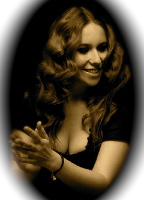
Rocío Márquez
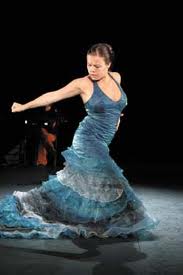
Rocío Molina
Read more of this post
Maki's playground
October 21, 2011 6 Comments
Rocío Márquez
Rocío Molina
October 14, 2011 1 Comment

Today we’re going to jump back in time to speak about las castañuelas (castanets), an instrument that has a strong influence not only in Flamenco but also in the most traditional and classical forms of Spanish Dance. As we are going to do an overview of the use of castanets in general, we’ve tried to keep it short and at the same time to avoid leaving out the most relevant examples of the extremely broad variety of musical styles this instrument is used in.
Read more of this post
October 7, 2011 1 Comment

This week we’re going to take a look at the some younger artists that are taking Flamenco into the twenty-first century, drawing on the same structures we have seen from their older peers. Flamenco continues to evolve and is in safe hands, we believe.
Read more of this post
September 30, 2011 1 Comment
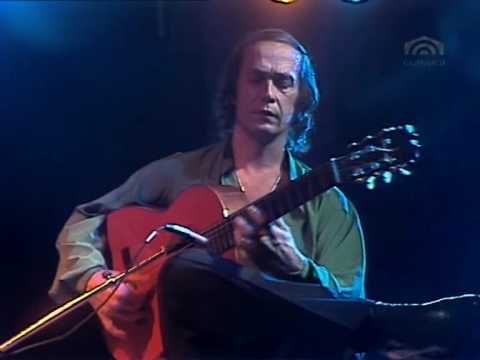
It’s a real challenge to write about Paco de Lucía because, although he’s a household name well beyond the realms of Flamenco, the range and variety of styles he has covered is so wide that it’s impossible to condense it all into one post. We are going to do our best, however, to make sure that this week’s offering reflects at least the essence and central pillars of his incomparable body of work.
Read more of this post
September 23, 2011 1 Comment

To speak of the Montoya family is to speak of art, tradition, legend and character. The Montoya family tree has many branches and today we’re going to take a look at just one as an example of how flamenco traditions are passed on from generation to generation. This is a long post but there’s no way to make it shorter without losing its essence. Settle in, then, for a chance to get to know la Familia Montoya a little better.
September 17, 2011 3 Comments

In the third of our series on solo artists, we’re going to take a look at a leading Bailaora and one of my favourite Cantaores. Get ready for a master class on the use of both El Mantón de Manila and La Bata de Cola from Matilde Coral and for some fine tanguillos and bulerías in the mischievous company of the incomparable Chano Lobato.
Read more of this post
September 17, 2011 1 Comment

In the second of our posts on solo artists we’re going to take a look at three extremely influential figures: the bailaora Carmen Amaya, the guitarist Agustín Castellón Campos Sabicas and the bailaor and maestro of bailaores Vicente Escudero.
Read more of this post
September 17, 2011 1 Comment
Welcome back to Friday Night Flamenco. After our stroll through the different palos, or styles, before the summer, we felt it was time to pay tribute to some of the most influential solo artists who bring them to life, many of whom, of course, are personal favourites. Cantaores, guitarists and other musicians. This week we thought we’d start with a guitarist and a pianist.
September 17, 2011 1 Comment
Mrs Maki has insisted that this post should be specially for me! She has chosen a series of clips by my favourite artists as a way of looking back over the series so far.
As we mentioned last week, we’ve seen all of the major palos currently sung and danced in the World of Flamenco: here’s a map of the geographical area we’ve visited and below there’s a chart showing the Provinces of Andalusia, as well as Extremadura and Murcia, with a list of the palos that have developed there and are traditionally associated with each area.
September 17, 2011 1 Comment
To round off our trip through the different Palos, today we are stopping off in The Sierra Morena to take a look at a number of important styles that form part of the very origins of Flamenco. This is not the end of the series but is the last stop in our journey through the different Palos and regions that are part of the origin, development and current reality of Flamenco culture.

A map showing the Sierras crossing Andalusia.


 Casa Maki